
Not all home improvements are created equal. Some upgrades make your home more comfortable right away, while others quietly add value over time when it’s time to sell. The challenge is that a lot of money gets spent on projects that feel rewarding in the moment but don’t always translate into strong returns later on.
If you’re looking to make improvements that future buyers actually care about, this is where money tends to stretch the furthest.
Adding Usable Square Footage
One of the biggest ways to increase a home’s worth is by adding usable space. Buyers tend to place a lot of value on square footage because it affects how a home functions day to day.
This doesn’t always require a major addition. Even smaller changes like expanding a living area or finishing a basement or attic can make a noticeable difference.
What really matters is flexibility. Buyers aren’t just focused on the amount of space, but how that space can be used, whether that’s a guest room, home office, or extra living area. When a home feels adaptable, it often attracts stronger offers..
Kitchen and Bathroom Updates
Kitchens and bathrooms are one the first places buyers notice, but don’t think you need a full renovation to make an impact. Small updates can go a long way here, too, without the cost and stress of a major remodel.
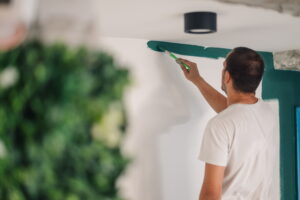
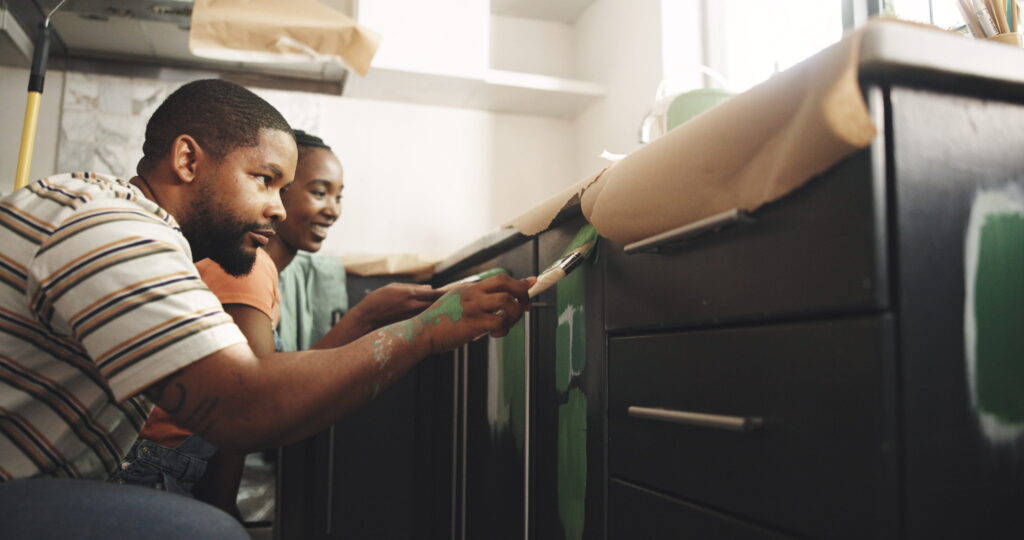
In the kitchen, simple changes like new hardware, fresh paint, better lighting, or updated flooring can completely change how the space feels. It doesn’t have to be a full overhaul for it to feel cleaner and more modern.
Bathrooms are similar. New fixtures, better lighting, updated mirrors, and a fresh coat of paint can make an older space feel much newer.
In the end, some buyers don’t want to take on extra projects right after moving in, so they’re often drawn to kitchens and bathrooms that feel functional and updated.
Entry Doors, Garage Doors, and Exterior
First impressions start before anyone steps inside the home. Entry doors and garage doors play a bigger role in value than most people realize, since they’re the first things buyers notice.
A new front door can quickly change how the whole exterior feels. It makes the home look more updated and cared for, and garage doors have a similar effect because they take up so much visual space on the front of the house.
Siding matters for the same reason, too. If it looks worn or outdated, it can make the entire home feel older – even when the inside is in good shape.
Buyers form an opinion before they even walk in, and that first impression tends to carry through the rest of the showing.
Curb Appeal and Landscaping
Curb appeal isn’t just about making a yard look nice. It’s about the feeling someone gets the moment they pull up to the home. A well-maintained exterior usually signals that the rest of the house has been taken care of too.
You don’t need anything overly designed or expensive. Simple things like trimmed bushes, clean edges, healthy grass, and a clutter-free yard often make the biggest difference. Even small updates like fresh mulch, seasonal plants, or a clean walkway can affect how a buyer feels about the property.
Flooring Creates a Finished Feel
Flooring is one of those upgrades that affects almost every part of the home, which is why it can make such a noticeable difference in value. Old carpet, worn surfaces, or mismatched flooring can make a home feel dated.
On the other hand, hard flooring is often preferred because it feels easier to maintain and more durable. And keep in mind that consistency matters as well. So when flooring flows from room to room, the whole space can feel more open and put together.
Even if a full replacement isn’t in the budget, smaller updates can still go a long way. This includes replacing carpet in high-traffic areas or refinishing existing floors to improve the overall look.
If you’re considering a home improvement project, try one of these items out. It’s a great way to maximize your investment, while improving your home for years to come.